
Drama
Head of Drama - Mrs C Hassani
Curriculum Assistant - Sarah Monk
Drama teachers - Ms A Bretton. Mrs S Clark, Mrs A Mccllwaine
At SWCHS, we are deeply committed to ensuring that every student is given the chance to find their voice through Drama. We believe Drama is not just a subject, but a powerful means of self-expression that allows young people to explore their creativity, emotions, and individuality.
Through Drama, students develop the confidence to speak with clarity and conviction, learning how to communicate meaningfully and connect with others. It nurtures vital collaborative skills, encouraging students to listen, adapt, and work together as part of an ensemble. These experiences extend far beyond the classroom, shaping resilient, confident individuals who are equipped for every aspect of life.
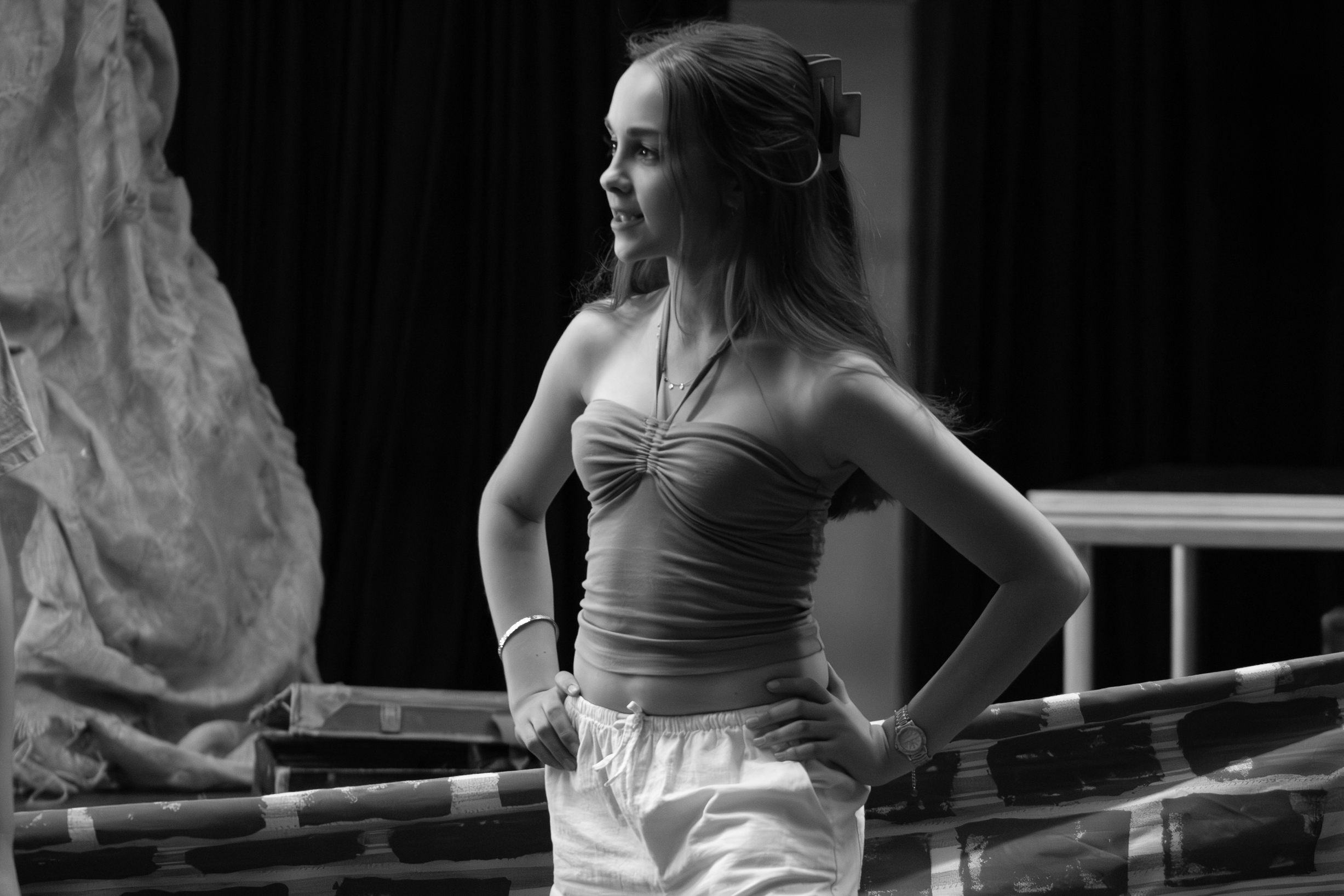
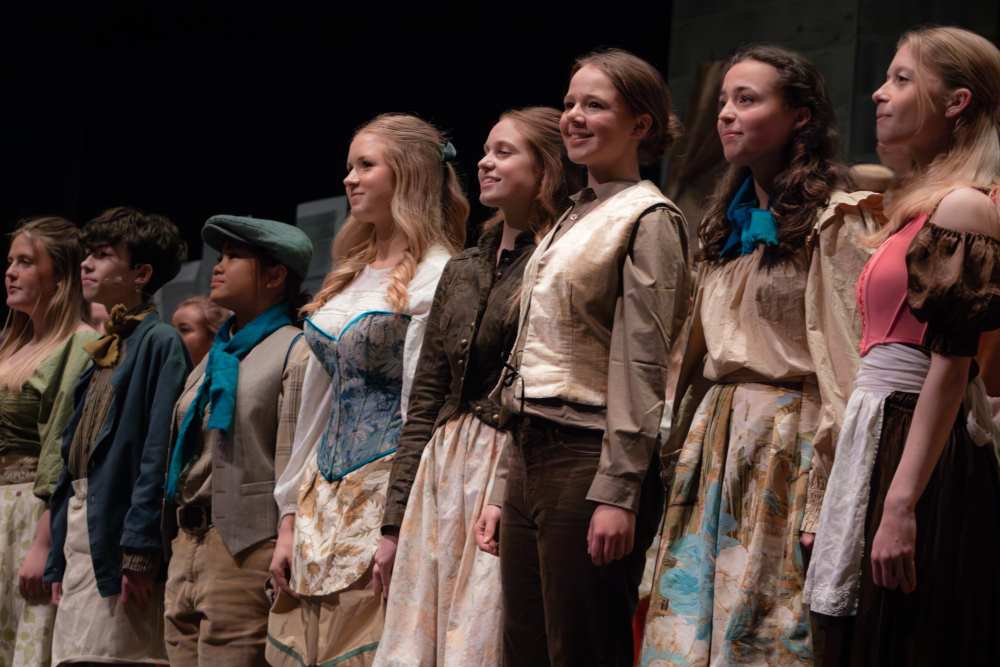
We actively champion participation beyond lessons, inviting students to immerse themselves in the vibrant world of performance. Each year, we proudly audition and stage a large-scale production at Saffron Hall every February, alternating between musicals open to students in Years 7–13, and plays for students in Years 9–13. These productions are more than performances—they are transformative experiences that instil dedication, resilience, and a deep sense of commitment. Students learn the value of discipline through rehearsals, the importance of teamwork in bringing a shared vision to life, and the confidence to perform on a professional stage with pride.
We also take part in the prestigious National Theatre Connections Festival, open to students in Years 10 and 12. This unique opportunity challenges students to engage with contemporary new writing, encouraging artistic bravery, critical thinking, and a willingness to take creative risks. It fosters independence and nurtures a deeper understanding of storytelling and performance at a national level.
For our younger students, Years 7 and 8 are able to audition for the Lower School play, performed in E7. This production provides a supportive and exciting introduction to theatre, helping students build confidence, develop communication skills, and form lasting friendships. It instils a sense of belonging and encourages students to step outside their comfort zones in a safe, inclusive environment.
Across all of our productions, students grow not only as performers but as individuals—developing confidence, empathy, collaboration, and a lifelong appreciation for the arts.
Our Lower School Drama Club—run by Sarah Clark on Mondays and Fridays— is popular and students are given every opportunity to shine, grow, and truly belong. Please email sarahclarkperformingarts@outlook.com for more information.
Please follow us on Tiktok for all the latest production news: @swchs_productions
Key Stage 3
In Year 7, students are taught in form groups, moving to mixed ability classes in Years 8 and 9.
Year 7
Autumn Term A – Characterisation Unit
In this topic, students will focus on basic characterisation skills to prepare them for the rest of the year.
Autumn Term B – Number 29 Unit
This is a creative unit which allows students to explore drama through improvisation with a focus on developing characterisation skills and working effectively in different sized groups.
Spring Term A Peter Pan Live Theatre Review
Students watch a contemporary National Theatre production and learn how to critically analyse a live performance by completing a written review.
Spring Term B - Evacuees Unit
A practical exploration into history where students will explore WW2 and the life of an evacuee. This is an opportunity for them to learn new and exciting drama techniques.
Summer Term A – Stepping in to Shakespeare
Students embark on a fast-paced and exciting journey through some of Shakespeare’s greatest works. They explore the intensity of stage combat in Romeo and Juliet, uncover the power of status and relationships in The Tempest, and use still image to bring moments from As You Like It vividly to life. The unit culminates in the enchanting world of A Midsummer Night’s Dream, where students dive into its magic, mischief, and beautifully chaotic storytelling.
Summer Term B – A Midsummer Night’s Dream
We explore A Midsummer Night’s Dream alongside the English curriculum, allowing students to deepen their understanding of the text through practical performance. By physically bringing scenes to life, students consolidate their knowledge of character, themes, and language, making meaningful connections between both subjects.
Year 8
Autumn Term A - Teechers by John Godber (deliberate mis spelling)
Students explore life in schools during the 1980s, engaging with this well-known play set against the backdrop of the educational challenges of Thatcher’s era. They examine the play’s distinctive and eccentric characters, developing an understanding of their roles and relationships, before performing a scripted scene for assessment.
Autumn Term B - TBC
Spring Term A - Peter Pan Goes Wrong
Students watch a BBC production that is slapstick in style and silly beyond words. They learn how to critically analyse a live performance by completing a written review.
Spring Term B - Comedy
We explore a range of comedy styles, including slapstick, improvisation, black comedy, stand-up, and sitcom. This scheme is both fun and challenging, as students investigate what makes audiences laugh and how humour can vary from person to person.
Summer Term A - Page to Stage
In each lesson, students work on a different script, developing their ability to bring text to life on stage. This culminates in an assessed duologue performance between Mickey and Eddie from Blood Brothers.
Summer Term B - Holidays
A fun filled summer term scheme that explores stereotypes, lads in Ibiza and dreaming of futuristic holidays,
Year 9
Students who choose Drama as a creative option in our Year 9 Hybrid programme undertake a skills-based foundation year designed to develop both performance and analytical skills. They complete a devised project and engage in practical exploration of a published script, taking responsibility for bringing a scene from page to stage.
Working in small groups, students rehearse and take ownership of all production elements, including acting, staging, costumes, lighting, and sound. They will also have the opportunity to watch and evaluate a professional theatre performance.
Students who have not opted to have Drama as a creative option in Year 9, can still join Lower-School drama club and take part in school productions. They can also return to taught drama at Key Stage 5, without completing the GCSE programme.